

Air purifiers can help with pet dander by removing the portion that becomes airborne—especially when they use high-efficiency mechanical filtration. But they are not a complete solution, because much of the allergen load settles onto surfaces and can be re-released into the air during normal activity.
Most pet allergies are due to the effects of pet dander, which is present with all animals that have fur (or feathers). As many as 10 to 20 percent of all people with allergies have allergic reactions to cats and dogs, according to the Asthma and Allergy Foundation of America (1).
The good news: many allergy sufferers can coexist with pets. It just takes a little planning and the right mix of tools.
Before you choose a strategy, it helps to understand what “pet dander” actually is—and what it isn’t.
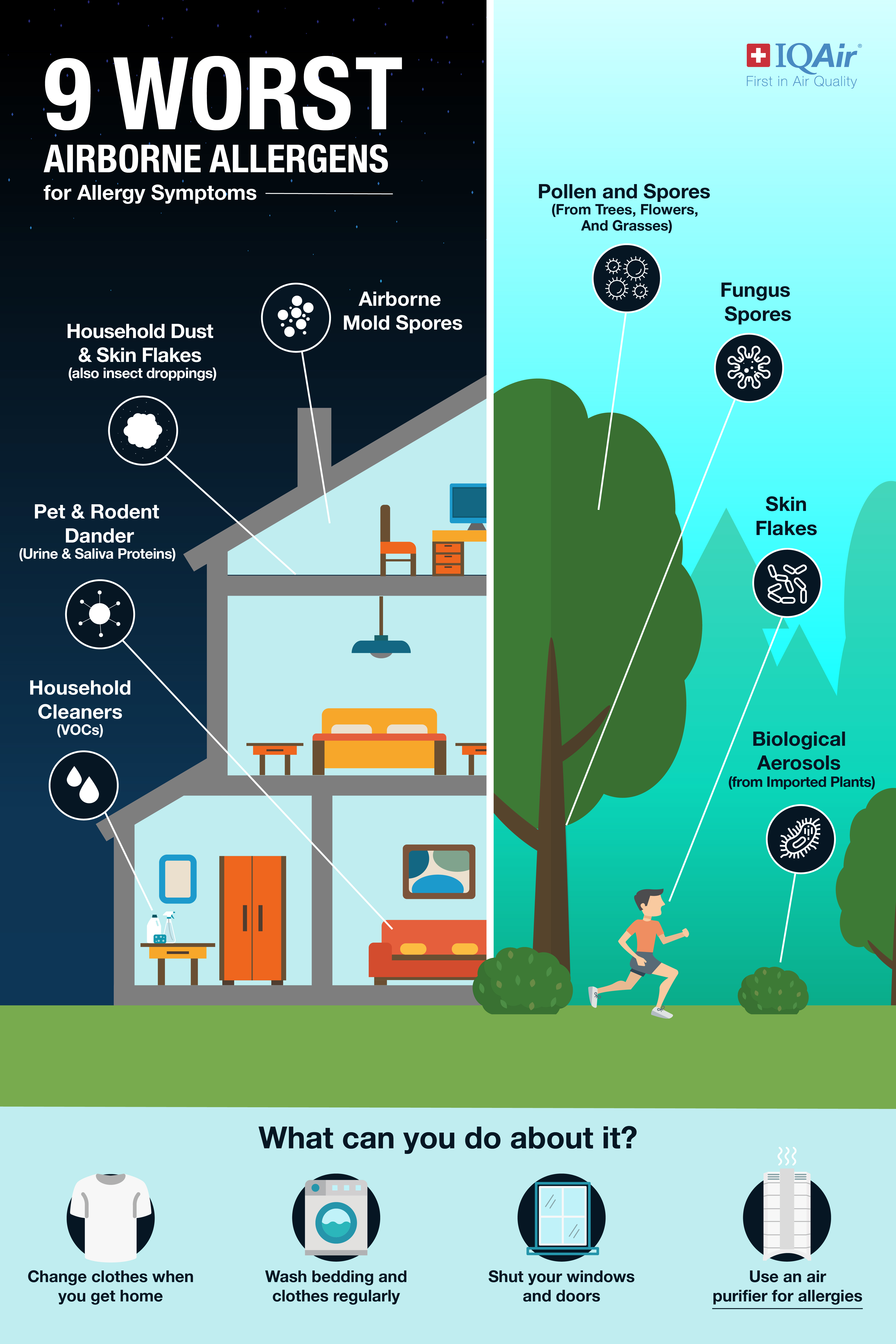
Pet hair itself is not an allergen
It’s not the actual hair of the animal that causes the allergies; it’s the proteins in the attached dead skin that causes the problems. The dead skin is called “dander.” The dander contains the proteins that are considered “allergens.”
What Pet Dander Is—and How It Moves Indoors
Pet hair is easy to see, but pet allergens are typically carried on microscopic particles—including flakes of skin (“dander”), dried saliva, and dust. For cats, one of the best-studied allergens (Fel d 1) readily becomes airborne and is often carried on very small particles; research indicates a substantial portion can be associated with particles under 5 microns, which can stay suspended longer and travel farther indoors.
That airborne behavior matters because it explains two things:
- Why symptoms can flare even when your pet isn’t nearby (allergens can circulate and settle throughout the home).
- Why filtration can help: high-efficiency particle filters are designed to capture tiny airborne particles before they settle.
With that in mind, the role of an air purifier becomes clearer: it can reduce what’s floating in the air, but it won’t remove what’s already settled on surfaces.
How air purifiers help control pet dander
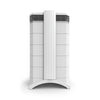
Because pet allergens can ride on airborne particles, the most helpful purifiers for pet dander are those built for high-efficiency particle removal. Medical-grade air purifiers are especially beneficial for individuals with severe allergies or asthma, as they offer superior filtration and air turnover rates.
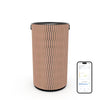
Air purifiers equipped with HyperHEPA filters are highly effective at capturing airborne pet dander, which is a major trigger for allergies. HyperHEPA filters from an air purifier like Atem Earth can trap particles as small as 0.003 microns with an efficiency of 99.5%, including the microscopic dander and allergen proteins shed by pets. This significantly reduces the concentration of allergens in the air, providing relief for allergy sufferers.
For best results, place the air purifier in rooms where pets spend the most time, such as bedrooms or living areas.
Regular maintenance, including replacing filters as recommended, ensures the air purifier continues to operate at peak efficiency.
However, even strong filtration can feel inconsistent day to day—especially in homes with lots of soft surfaces and ongoing shedding.
Perception vs. Reality: Why You May Still React (Even With an Air Purifier)
Many people expect an air purifier to “solve” pet allergies quickly. In reality, improvements can be uneven because:
- Allergens don’t stay only in the air. Dander and allergen-carrying dust settle on floors, furniture, bedding, and fabrics, then get kicked back up when you walk, sit down, vacuum, or when pets move around.
- Odor and allergens aren’t the same thing. A room can smell fresher while allergen exposure remains significant (and vice versa).
- Placement and run time matter. Portable air cleaners are designed for a room/zone; they’re most effective when run consistently in the spaces where people and pets spend the most time. (EPA describes portable air cleaners as intended for single-room use and notes limits.)
- Health outcomes can vary. EPA summarizes that studies with portable HEPA air cleaners have found improvements in one or more allergy/asthma symptoms, but effects are not always large and not for every symptom—so expectations should be realistic.
That’s why the best results usually come from combining air cleaning with surface cleaning and (when possible) whole-home filtration.
Air Purifiers vs. Vacuums vs. HVAC Filters: What Each One Can (and Can’t) Do
No single tool does it all—each one targets pet allergens at a different point in the cycle:
- Air purifiers (portable): reduce the airborne fraction in a specific room/area.
- Vacuuming & cleaning: remove allergens that have settled into carpets, upholstery, bedding, and floors (a major reservoir). (EPA notes many allergen particles settle rather quickly—why surface control matters.)
-
HVAC filters: can reduce particles in recirculated air, but performance depends on the system, filter rating, and runtime.
Next, it helps to understand what factors make allergen levels rise or fall in the first place.
What’s Actually Driving Pet Allergen Levels in Your Home?
Indoor pet allergen levels usually come down to four drivers:
- Shedding + allergen production: all furry pets produce allergens; there is no truly “allergen-free” cat or dog. (AAFA notes pet allergies are common and linked to pets with fur/feathers.)
- Resuspension: allergens settled in dust get stirred back into the air during daily activity.
- Room mixing: air movement spreads allergens beyond the room where the pet spends time (cat allergen is known to transfer via clothing and be found broadly).
- Insufficient filtration capacity: undersized purifiers or low-capacity filters may not keep up, especially in high-shedding homes.
Once you identify which of these drivers is biggest in your home, you can choose the most effective combination of habits and tools.
Other ways to mitigate pet-related allergens
Air purification works best when you also reduce the allergen load at the source and on surfaces—especially in bedrooms and other high-time-spent rooms. There are many pet shampoos and solutions available that can help neutralize allergens and remove dander. Regularly vacuuming with a HEPA vacuum cleaner will also help control pet allergens and dander.
Some breeds may shed less, but no cat or dog is truly allergen-free (allergen proteins can still spread throughout a home). Individual responses can vary widely.
Recommended dogs breeds include (2):
- Afghan Hounds
- Bichon Frises
- Chinese Cresteds
- Coton de Tulears
- Hairless Peruvian Inca Orchids
- Irish Water Spaniels
- Lagotto Ramagnolos
- Maltese
- Poodles
- Portuguese Water Dogs
- Schnauzers (certain breeds)
- •Spanish Water Dogs
- Terriers (certain breeds)
- Xoloitzcuintli
Recommended cat breeds include (3):
- Balinese
- Bengal
- Cornish Rex
- Devon Rex
- Siberian
- Sphynx
- Russian Blue
Studies indicate dog ownership may actually help people avoid allergies.
A study published in the Journal of Pediatrics reported that children with eczema benefit from living with a dog during infancy (4). Cat ownership, however, seemed to have a negative effect on children with cat allergies.
Regardless of breed or background risk, the day-to-day setup of your home has the biggest impact on exposure.
How to Use an Air Purifier Effectively for Pet Dander
These steps help maximize airborne dander capture while reducing how often allergens get reintroduced into the air:
- Run it where it matters most: prioritize bedrooms and main living areas (portable air cleaners are intended for single rooms/areas).
- Keep airflow unobstructed: place the unit away from walls and bulky furniture so air can circulate.
- Use consistent runtime: continuous or long daily runtime is typically more effective than occasional use, since allergens are continuously introduced and re-aerosolized.
- Maintain filters on schedule: clogged filters reduce airflow and overall cleaning performance.
- Pair with surface control: wash bedding, clean soft furnishings, and vacuum regularly to reduce settled reservoirs.
If symptoms are worse at night, start by improving the bedroom first: keep pets out (if possible), clean bedding, and run a properly sized purifier consistently. If you’re still struggling after optimizing one room, the next step is usually expanding coverage to the other rooms where your pet spends the most time.
FAQ: Air Purifiers and Pet Dander
Do air purifiers remove pet dander completely?
They can reduce airborne dander and allergen-carrying particles, but they won’t remove what’s settled in carpets, bedding, or upholstery—so cleaning and source management still matter.
Do “hypoallergenic” pets prevent allergies?
Many people still react because allergens come from proteins in skin/saliva and can spread widely indoors, even when shedding seems minimal.
Where should I place the purifier?
Place it in the room where you spend the most time (often bedrooms/living rooms) since portable units are designed for single-room purification.
Can an air purifier help allergy or asthma symptoms?
Possibly. EPA notes multiple studies have found improvements in one or more allergy/asthma symptoms with portable HEPA air cleaners, though effects vary and are not universal.
Is pet hair the main problem?
Hair itself isn’t usually the allergen; allergens are typically proteins carried on microscopic particles like dander and dust, which can stay airborne and spread.
Conclusion
Air purifiers can help with pet dander—primarily by capturing airborne dander and allergen-carrying particles. They won’t remove allergens that have settled into carpets, bedding, or upholstery, so the best results come from pairing filtration with consistent cleaning and smart placement.
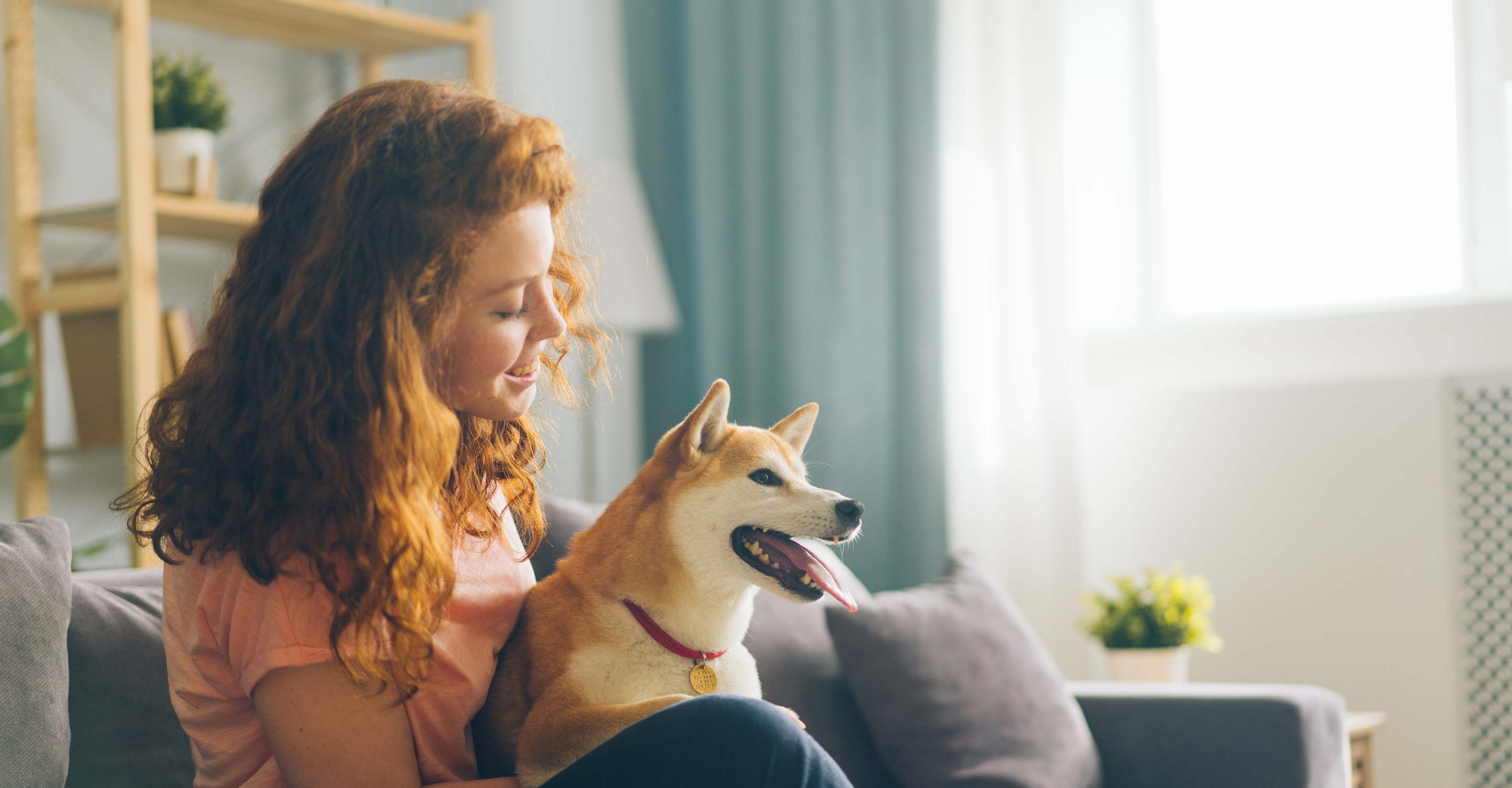
Pet allergies don’t automatically mean you have to give up pets. With the right strategies, allergy sufferers and their pets can enjoy a more comfortable home environment.