
 Add
AddAir quality in Cairo
Air quality index (AQI⁺) and PM2.5 air pollution in Cairo • 188K Followers • 13:00, Jan 29 Local time

56
US AQI⁺Moderate

Main pollutant:
PM2.5
12 µg/m³

19°

20.4 km/h

37 %
Hourly forecast
Cairo air quality index (AQI⁺) forecast


Daily forecast
Cairo air quality index (AQI⁺) forecast
| Today | 70 | | 20° 12° |  21.6 km/h | 37% |
| Fri | 98 | | 25° 14° | 32.4 km/h | 19% |
| Sat | 106 | | 26° 16° | 25.2 km/h | 24% |
Air pollutants
What is the current air quality in Cairo?

PM2.5 concentration is currently 2.4 times the World Health Organization annual PM2.5 guideline value.

Health recommendations
 Sensitive groups should reduce outdoor exercise |
 Close your windows to avoid dirty outdoor air Get a monitor |
 Sensitive groups should wear a mask outdoors Get a mask |
 Sensitive groups should run an air purifier Get an air purifier |
Protect yourself from air pollution in Cairo
Shop IQAir productsWhen the air becomes a problem – we provide relief
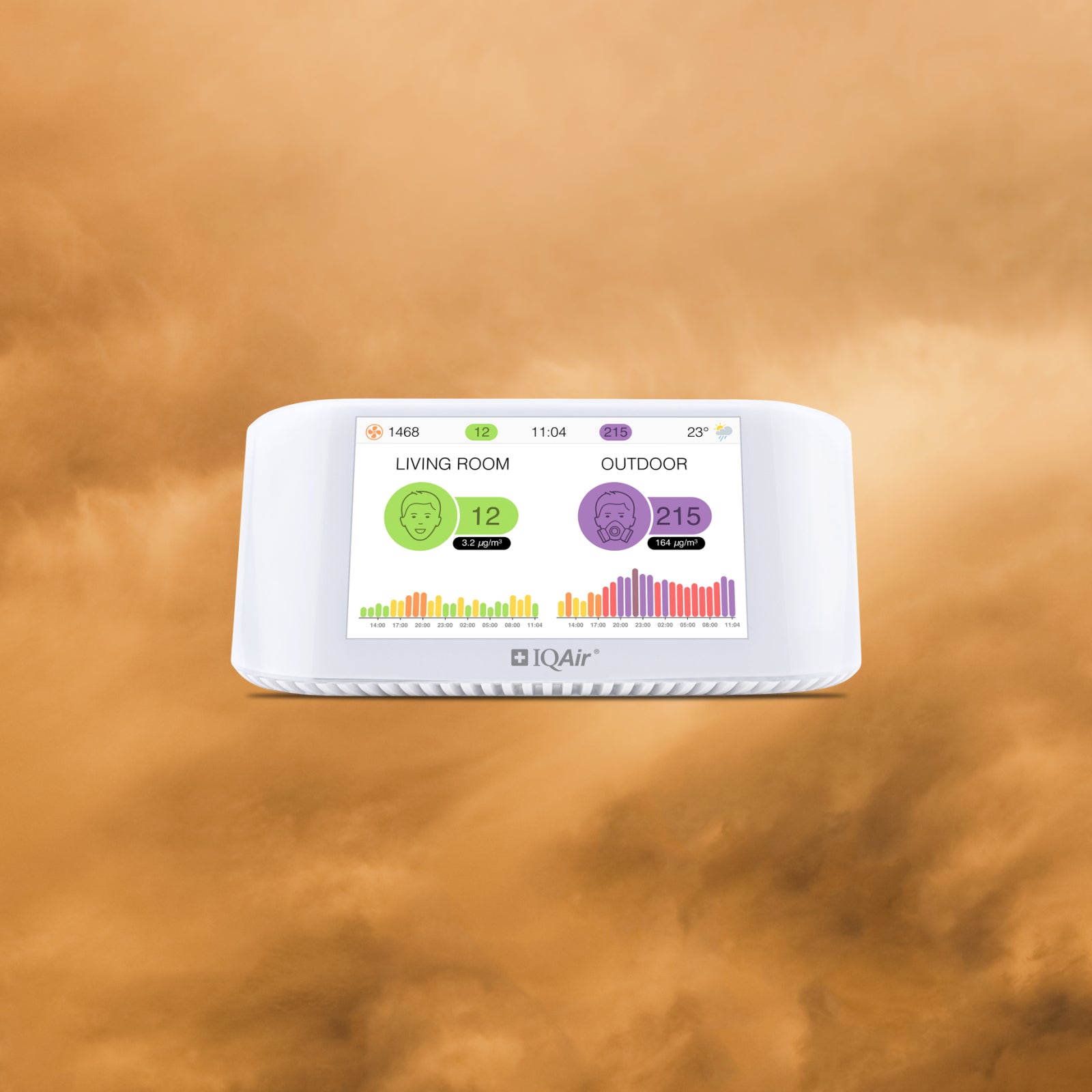
Monitor the air you breathe
Get accurate AirVisual air quality readings and real-time insights for cleaner air. Monitors that reveal pollution sources, highlight when air purifier use is needed.
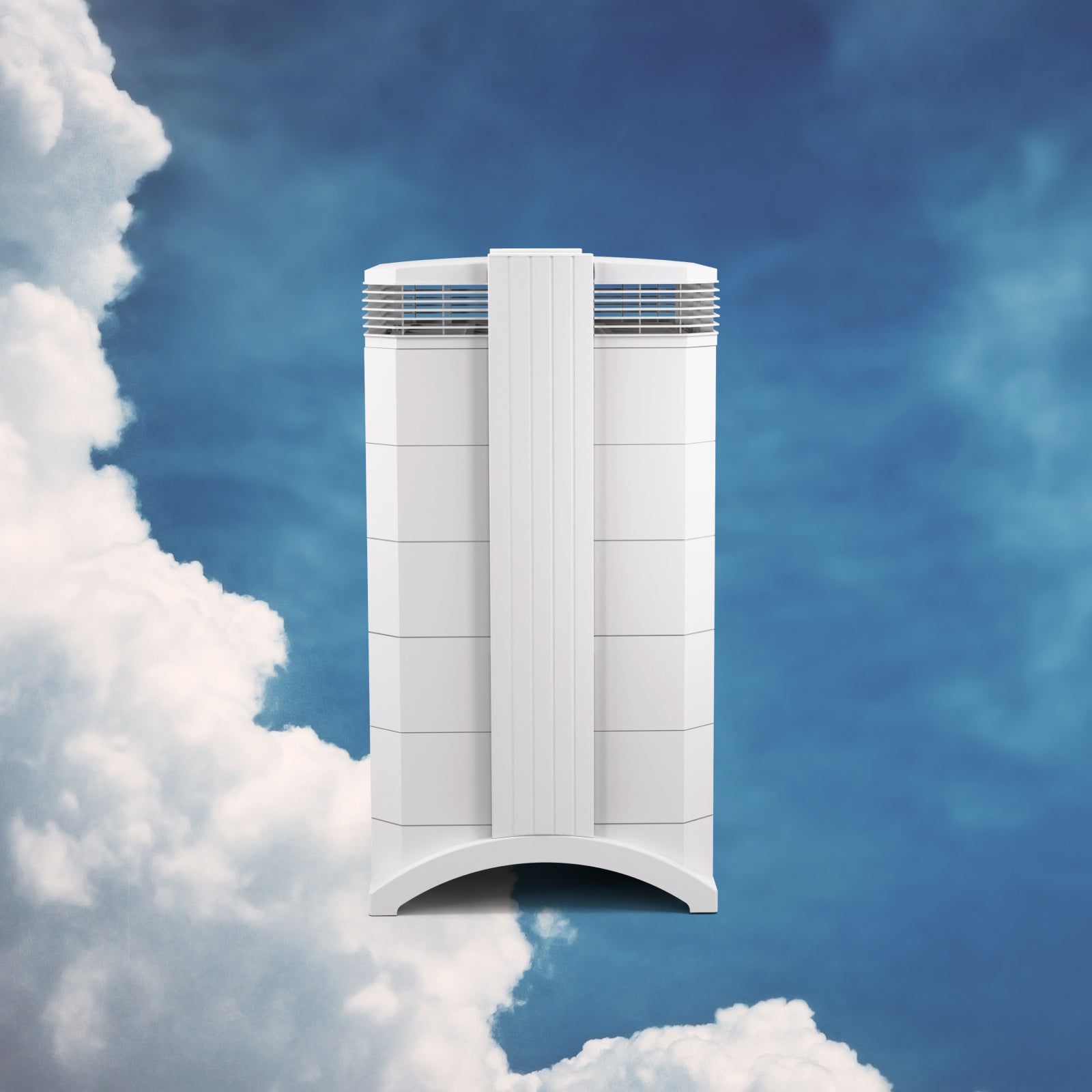
Medical grade air purifiers
Trusted worldwide, the HealthPro Series uses HyperHEPA technology. Filters ultrafine particles other air purifiers miss, delivering medical-grade protection.
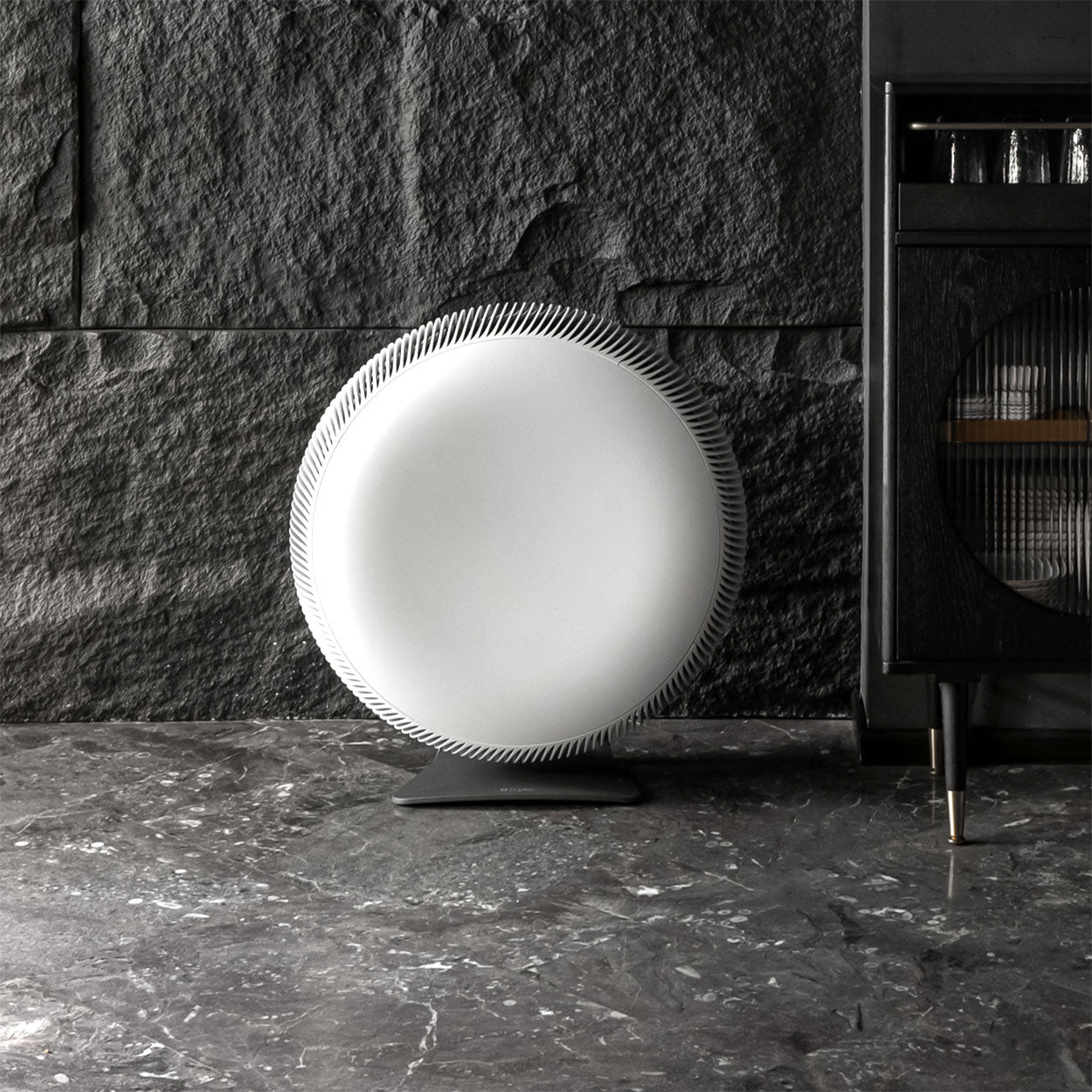
Powerful, stylish air purifiers
Compact and powerful, the Atem Series combines Swiss engineering with high-performance air purification, filtering ultrafine particles with HyperHEPA technology.




Health recommendations
Sensitive groups should reduce outdoor exercise |
Close your windows to avoid dirty outdoor air Get a monitor |
Sensitive groups should wear a mask outdoors Get a mask |
Sensitive groups should run an air purifier Get an air purifier |
Protect yourself from air pollution in Cairo
Shop IQAir productsWhen the air becomes a problem – we provide relief
Monitor the air you breathe
Get accurate AirVisual air quality readings and real-time insights for cleaner air. Monitors that reveal pollution sources, highlight when air purifier use is needed.
Medical grade air purifiers
Trusted worldwide, the HealthPro Series uses HyperHEPA technology. Filters ultrafine particles other air purifiers miss, delivering medical-grade protection.
Powerful, stylish air purifiers
Compact and powerful, the Atem Series combines Swiss engineering with high-performance air purification, filtering ultrafine particles with HyperHEPA technology.
Most polluted locations near Cairo
Worldwide AQI⁺ ranking

Historic air quality near Cairo
History
Historic air quality graph for Cairo
Historic air quality near Cairo
History
Historic air quality graph for Cairo
Clean Air Facilities
Most polluted locations near Cairo
Worldwide AQI⁺ ranking


Measure your own air quality
Get a monitor and contribute air quality data in your city.

Learn more about air pollution in Cairo
What is the air quality index of Cairo?
Cairo is the capital of Egypt and is situated on the banks of the River Nile in North Africa. Its metropolitan area, with a population of over 20 million, is the largest in Africa, in the Arab world, and the 6th-largest in the world.
At the start of 2021, Cairo was experiencing “Moderate” quality air with a US AQI figure of 91. This follows the guidelines of the World Health Organisation (WHO). The concentration of the pollutant PM2.5 was 31.2 µg/m³. With pollution at this level, it is advisable to close doors and windows to prevent the ingress of dirty air into the home. Those of a sensitive disposition should avoid outdoor exercise until the air quality improves. If outdoor activities are unavoidable, then a good quality mask should be worn at all times.
What is the main source of air pollution in Cairo?
Pollution of all kinds threatens the lives of Egyptians and requires urgent intervention. It was pointed out that there are thousands of cars that use the streets of Cairo daily and are not suitable for such use, due to poor maintenance of their engines, and thus the increase in the amount of emissions from exhausts. Traffic congestion leads to direct environmental impacts, and consequently serious environmental, health, economic and social repercussions.
Researchers have investigated the factors that contribute to determining the levels of exposure of car occupants to air pollutants in Greater Cairo which is the sixth-largest city in the world and contains 2.4 million cars during various conditions, such as opening car windows or closing them with air conditioning in operation. The air, as well as driving on different roads and at different times of the day, whilst measuring the levels of different air pollutants.
Besides gaseous pollutants such as carbon dioxide, carbon monoxide, and nitrogen dioxide, air pollutants include particles suspended in the atmosphere, which can be classified into coarse particles, with a radius ranging from 2.5 to 10 micrometres (PM10), and ultra-fine particles with a radius less than 2.5 micrometres (PM2.5).
The results of the study showed that opening the car window exposes passengers to higher concentrations of PM10 particles by 64 per cent and PM2.5 particles by 48 per cent, compared to the same situation if the window is closed and the air conditioner is turned on in the car and that the evening peak hours are the busiest, and cause exposure to concentrations higher than these particles if compared to the morning rush hours.
What is the pollution level in Cairo?
Air pollution has returned to record high levels among residents of Greater Cairo, after dropping dramatically over the past few months, as a result of closures and curfews due to the outbreak of COVID 19 since mid-March. Where the stations of the National Network for Monitoring Air Pollutants affiliated with the Ministry of Environment and deployed in the Egyptian governorates recorded an increase in the concentration of pollutants in Greater Cairo, in light of emissions from car exhaust and public transport, and the burning of waste, which led to the citizens feeling extreme temperatures and high humidity, and general discomfort both inside and outside homes.
Consequently, congestion has returned to the street, and solid and harmful waste is disposed of in an unsafe manner by burning it in the streets, which led to the rise in the percentage of pollutants to dangerous levels.
Is air pollution in Cairo getting better or worse?
The World Health Organisation has published a report, in which it says that about 7 million people die every year from exposure to polluted air. According to this report, outdoor air pollution alone caused about 4.2 million deaths in 2016, while household air pollution from cooking with polluting fuels and technologies caused the deaths of an estimated 3.8 million people in the same period.
Between 2011 and 2015, following a study by the World Health Organisation (WHO), Cairo was seen to be the second dirtiest city in the world beaten only by New Delhi, India.
What can be done to improve the air quality in Cairo?
All kinds of pollution affect the lives of Egyptians, which raises alarm bells. Air pollution is one of the most important direct environmental effects resulting from the exhaust gases resulting from burning fuel, which increases the rates of its consumption increases in traffic congestion.
Due to a decrease in the average speed of vehicles and an increase in stops, as well as poor maintenance of vehicle engines, and the high rates of fuel consumption that leads to an increase in the number of exhaust gases. Traffic congestion causes direct environmental impacts, which in turn lead to environmental, health and economic repercussions.
Modern technological development has resulted in the development of so-called smart transportation systems, which contribute to reducing environmental pollution resulting from traffic, given the components that these systems contain that lead to lower fuel consumption and raise the efficiency of engines, and thus reduce pollution rates.
There is no choice but to keep pace with the technological development, in order to gain the environmental, economic, social and human benefits of those technological advances, which provide strategic opportunities to contain the environmental impacts of the transport system in Egypt, and the consequent significant improvement in public health indicators.
What are the effects of breathing Cairo’s poor quality air?
It is believed that increased pollution in the air has harmful effects on the lungs, and leads to increased bronchitis, asthma attacks, irritation of the mucous membranes, and the incidence of heart disease. In addition, all parts of the body are threatened with diseases as a result of inhaling fumes and chemicals, indicating that statistics have shown that 17 per cent of children have chest allergies in several governorates due to air pollution, half of whom are residents of Greater Cairo. Thus, pollutants affect the respiratory system of children directly, causing narrowing of the airways, with a decrease in the level of oxygen in the blood. The younger the child, the stronger the impact of pollutants, and lead to permanent changes in the airways and lung disease.
It is advisable to ban smoking indoors completely, and not to take children to places with high levels of pollution, such as factories and places crowded with cars, because the exhaust fumes have a bad effect on the children’s lungs.