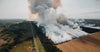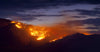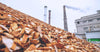


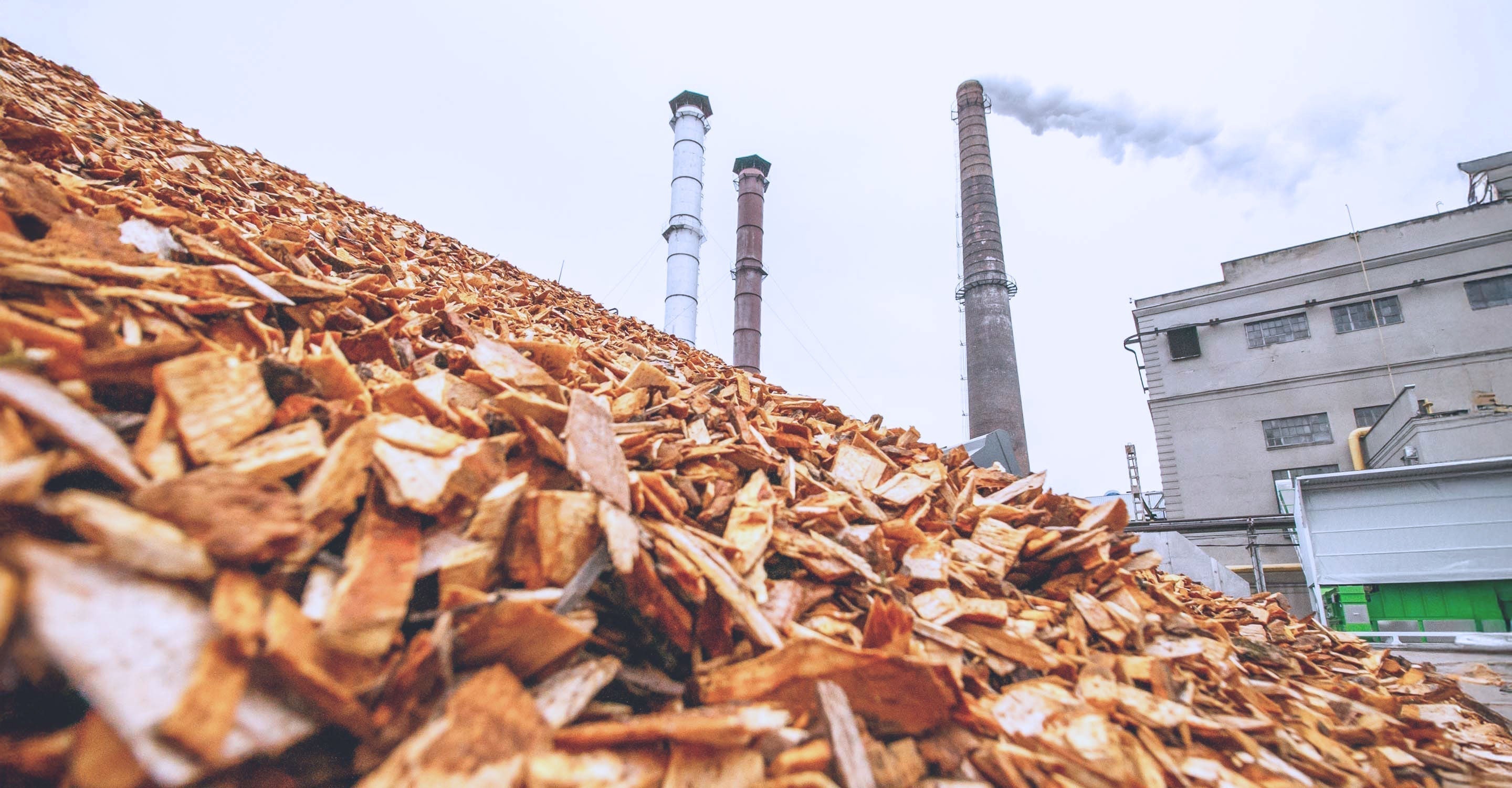
Every day, nearly 3 billion people light fires to cook, heat their homes, or clear land. These fires fill the air with a toxic cocktail of pollutants. Black plumes of smoke rise from woodstoves, crop fields, and wildfires to form a long-term public health crisis.
These practices are collectively known as biomass burning—the combustion of organic materials like wood, crop waste, and dung. Biomass burning pumps out PM2.5 (particulate matter measuring 2.5 microns in diameter or smaller), carbon monoxide, and other pollutants linked to millions of premature deaths each year from stroke, heart disease, and respiratory illnesses.
Biomass is sometimes deemed “renewable,” but its smoke is anything but harmless. Although biomass burning occurs worldwide, its impacts extend far beyond the communities where the smoke is produced; black carbon from incomplete combustion accelerates glacier melt, disrupts rainfall, and crosses oceans.
What is biomass burning?
People have used biomass for energy since the earliest humans first lit wood fires for cooking and warmth. Biomass is organic material from living—or recently living—organisms, such as wood, crop residues, and animal waste.
Examples of organic materials may include:
- Charcoal
- Crop waste
- Dung
- Wood
Today, biomass is widely burned for cooking and heating, and, in some places, it is also used to generate electricity and power industrial systems (1).
While some biomass burning results from natural processes like lightning-sparked wildfires, it is generally derived from human activity.
Because biomass burning is so widespread and often happens close to where people live, its health impacts are felt most by those exposed to the smoke every day.
Who breathes biomass smoke?
Because biomass burning often occurs indoors or near homes, exposure falls hardest on those who spend the most time nearby.
In rural homes across sub-Saharan Africa, Central and South Asia, and Latin America, women and girls spend hours each day gathered around open fires or rudimentary stoves. The consequences are devastating; the World Health Organization estimates that household air pollution from biomass kills over 3 million people annually (2).
Those most affected by biomass burning are also often the most vulnerable: elders, women, and children. Children under five are particularly at risk for pneumonia—the leading infectious killer of children worldwide. Even before they take their first breath, babies born to mothers exposed to biomass smoke face higher risks of low birth weight (3).
For families already stretched thin by poverty, the cycle is brutal; time spent collecting firewood is time lost to education or work, and medical bills for smoke-related illnesses push millions deeper into debt.
Though the impacts are most acute in less affluent regions, biomass smoke affects everyone, regardless of geography or income. In wealthier nations, wildfires are growing more intense and long-lasting due to climate change. Wildfire smoke can drift for miles and blanket cities for weeks at a time. Wood pellet burning, fireplaces, and backyard fire pits can all contribute to poor air quality as well.
Where biomass is produced for energy
Biomass is used very differently around the world. In some countries, it is produced at industrial scale and treated as an energy commodity—often to generate electricity, produce liquid biofuels, or supply heating fuel.
Industrial biomass fuel production is greatest in the United States, which converts corn to ethanol for gasoline and electrical production. In 2024, the U.S. produced equal to about 856,000 barrels of oil (BOE) in biomass per day (4).
Brazil is the second largest producer at 510,000 BOEs per day, primarily sourced from sugarcane. Indonesia produces 205,000 BOEs each day mostly from palm oil, but also from crop waste, wood, and coconut shells. China, India, and Germany follow as the next largest biofuel producers.
Where biomass is burned for daily survival
In contrast to industrial bioenergy production, many countries rely on biomass burning not by choice, but out of necessity. In these countries there is an overwhelming dependence on biomass burning for household cooking and heating.
While biomass accounts for only about 5% of total energy use in the United States, Sub-Saharan African countries depend overwhelmingly on biomass burning for home fuel use (5):
-
Ethiopia: 92.5% of energy comes from biomass
-
Democratic Republic of the Congo: 92.2%
-
Tanzania: 85%
- Nigeria: 81.5
Outside of Sub-Saharan Africa, other countries also heavily rely on biomass as their primary source for home heating and cooking fuel, placing entire households at daily risk of harmful smoke exposure:
In these regions, biomass burning isn’t an occasional source of pollution—it is a daily, unavoidable exposure that shapes health outcomes across entire communities.
Why biomass burning remains widespread
Biomass burning endures because for billions, wood, dung, or charcoal are either the only heating and cooking fuels they can afford—or the only fuels available.
In rural villages, propane or electricity may be physically inaccessible; in crowded cities, they may be too expensive. Even when cleaner options exist, deeply rooted traditions and distrust of new technologies can slow the pace of change (6). Families often spend a high proportion of their income on fuel and healthcare costs tied to biomass yet lack the upfront cash to switch to cleaner options.
Subsidies for wood pellets and lax regulation enforcement on wood burning stoves and heaters also keep the practice alive, even though wood burning smoke is linked to heart and lung diseases (7)(8). These economic and structural barriers make biomass burning difficult to replace, even when the health risks are well understood.
Protect yourself from biomass smoke
The most effective way to reduce the harms of biomass burning is to address pollution at its source, where possible.
Individuals
-
Monitor and share neighborhood air quality information
- Support organizations that distribute clean stoves
- Demand stronger air quality standards
- Choose smokeless alternatives (when possible)
Businesses
- Invest in cleaner fuel alternatives
- Work to make those fuels cheaper and more accessible
Policymakers
- Prioritize funding for clean energy access
- Enforce bans on harmful burning practices
For the billions still exposed to biomass smoke, protection begins with better information. Real-time air quality monitoring and public alert systems can help communities prepare for high-smoke days, allowing schools to suspend outdoor activities, hospitals to brace for respiratory cases, and families to seal windows or relocate temporarily. Downloading a free air quality app and listening to local radio broadcasts that track smoke forecasts can save lives by giving people time to act.
In homes where clean fuels aren’t an option, small changes can cut exposure. A chimney or even a well-placed window can vent smoke outside. Shifting biomass burning cooking outdoors or, if possible, using a hood with an exhaust fan can reduce the buildup of indoor pollutants.
Other potential solutions include running a high-efficiency air purifier indoors and, when outdoors, wearing a properly-fitted KN95/FFP2 mask can help filter out pollutants.
Conclusion
Biomass burning is a global health crisis, but one that, with courage and determined action, can be tackled.
The tools exist. From affordable clean cookstoves to policies that phase out dirty fuels, from community-led forest management to global agreements on black carbon. The goal is a future where cleaner energy options make it unnecessary for anyone to choose between heating their home and harming their lungs. Understanding what biomass is—and why its impacts are so severe—is the first step toward change.